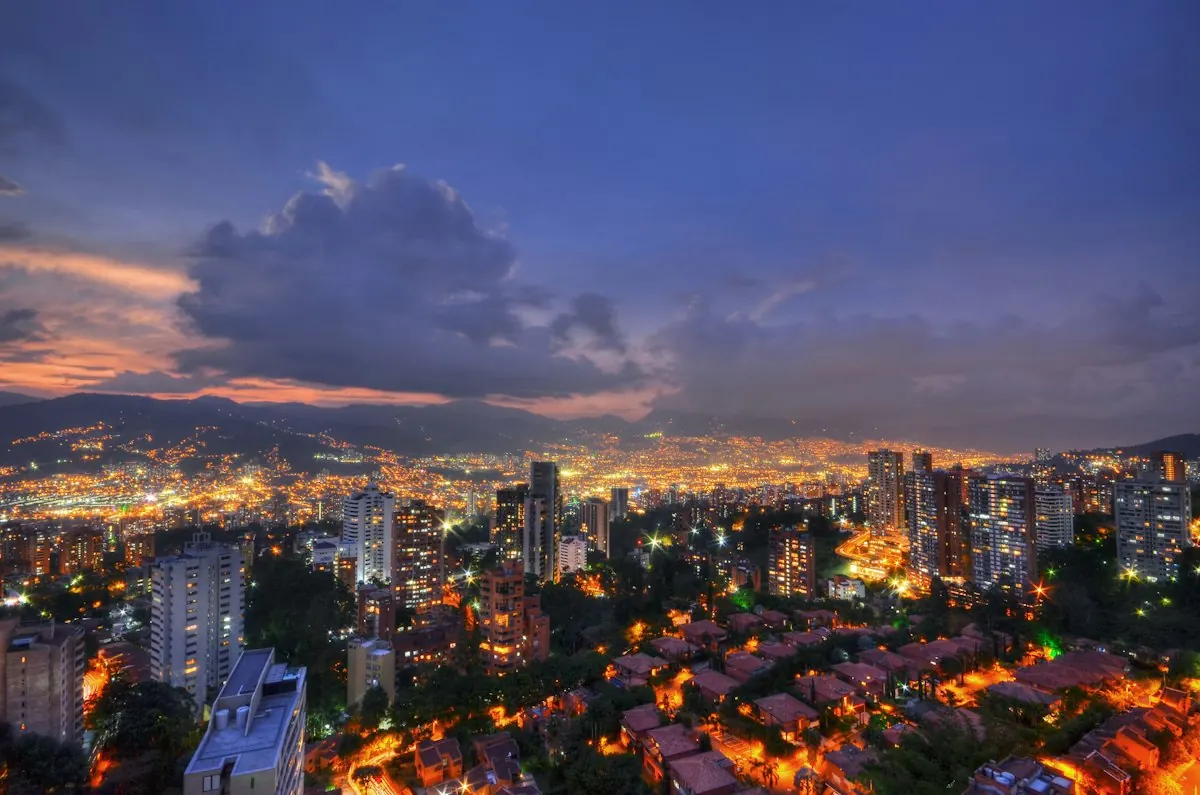
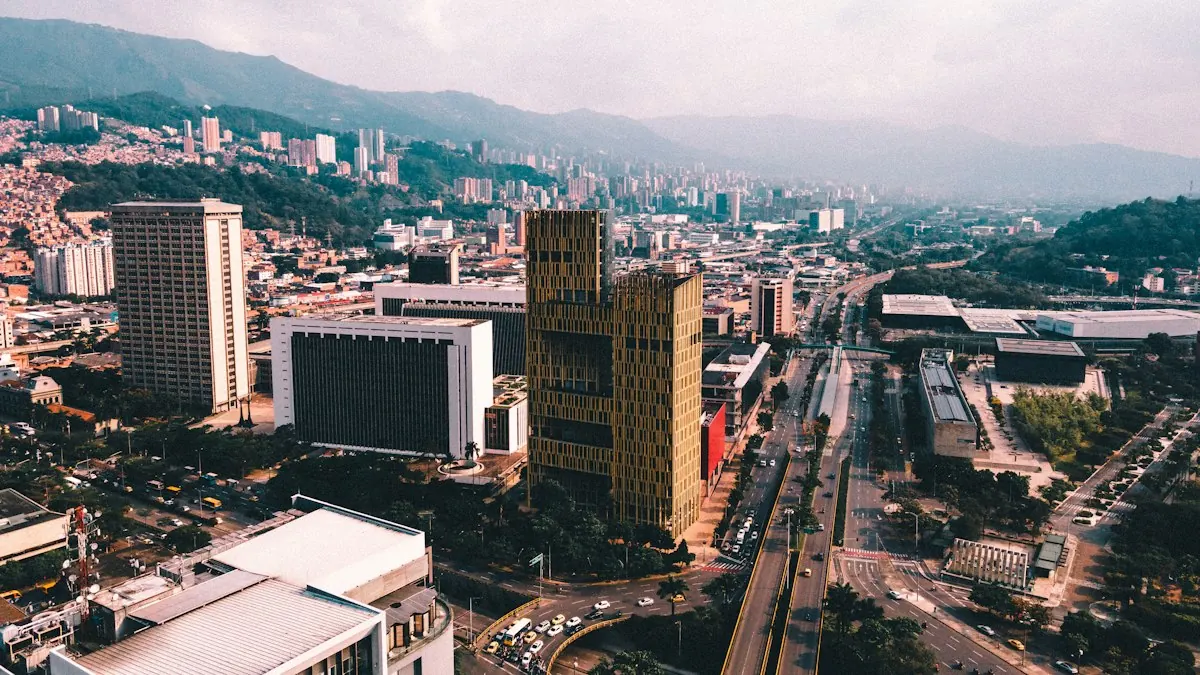
Medellín is often introduced through its skyline, hillside neighborhoods and modern transit. A slower visit lets those features sit alongside everyday details: the walk to a bakery, a change in afternoon weather, a neighborhood market and the way a short trip connects several parts of the city. You do not need to see every landmark to leave with a clear sense of place.
Choose a base that fits your days
Before booking a long stay, compare the location with the activities you expect to do. Check how close it is to a Metro or bus connection, how comfortable the walk feels during daylight and where you can buy water or a simple meal. A central location can save travel time, while a quieter neighborhood may make it easier to rest. The right choice depends on your schedule and comfort, so read recent local guidance and confirm transport details before arrival.
Rather than changing accommodation every night, consider staying several nights in one area. Familiar routes help you notice practical things: which streets are busy in the morning, where shade falls in the afternoon and how long a walk actually takes. Keep valuables secure and follow current local safety advice, especially when carrying a phone or camera.
Build days around one anchor
Pick one main activity for each day, then leave room around it. A museum visit, a walk through a public park or a ride on the Metro can provide structure without forcing a packed itinerary. Check opening hours and transport before leaving. Add a meal or a coffee stop nearby, then keep the rest of the day flexible.
| Time | Simple plan | Why it works |
|---|---|---|
| Morning | Walk to breakfast and explore a nearby street. | Start close to your base while the day is cool. |
| Midday | Visit one indoor attraction or market. | Pause during heat or rain and avoid rushing. |
| Afternoon | Use transit for one planned neighborhood visit. | Learn a route instead of stacking several trips. |
| Evening | Return before choosing dinner close by. | Keep the plan simple when energy is lower. |
Use transit as part of the experience
Public transportation can make a city feel more accessible, but routes, fares and service conditions change. Check current official transit information on the day you travel. Before boarding, know your destination and transfer point. Save the name of your stop offline and keep local currency available in case you need an alternative ride.
A useful example is a half-day plan with only two stops: ride to a cultural site, spend time there, then return by a route you have already checked. If a station is crowded or a service is disrupted, pause and confirm another option rather than following an unfamiliar route under pressure.
Let language open small doors
A few Spanish phrases make practical exchanges easier. Try Buenos días, ¿Me puede ayudar?, ¿Dónde queda…? and Muchas gracias. Listen to the reply and ask for repetition when needed: ¿Puede repetirlo más despacio? A respectful greeting and patient pace are more useful than memorizing a long script.
- Ask before photographing people, private homes or small businesses.
- Buy from neighborhood shops when that suits your needs.
- Learn a little about the place you are visiting instead of treating it as a backdrop.
- Follow posted rules in parks, museums and community spaces.
Leave space for the unexpected
Weather, traffic and opening times can alter a plan. Keep one indoor alternative and one nearby option in mind. If a conversation, meal or walk becomes the best part of the day, let it take longer. Slow travel is a way to pay attention, make fewer hurried decisions and build a more useful understanding of a city. A flexible rhythm can make Medellín easier to navigate and more rewarding to remember.
Notice ordinary routines
Small recurring activities can help a visitor feel oriented. Find a grocery shop, note the nearest transit stop and learn the route back to your accommodation. Visit a public space at different times of day and notice how its use changes. These observations provide a practical picture of the neighborhood without requiring a formal tour. When you need help, ask a clear question and listen carefully rather than assuming that someone has time to give directions.
For a simple three-day visit, spend one day learning the area around your base, one day taking a planned transit trip to a cultural destination and one day revisiting a place you enjoyed. Keep meals and rest breaks realistic. This leaves room to adjust for weather, fatigue or a recommendation from a local source.
Spend thoughtfully
Set a daily range for transport, meals and activities before you leave. A simple note of expected costs helps you compare options without turning the trip into a strict schedule. Keep a reserve for an unplanned ride or a change in weather, and check current prices directly with providers. A slower pace often makes it easier to choose activities that matter to you instead of paying for a long list simply because they appeared on an itinerary.